
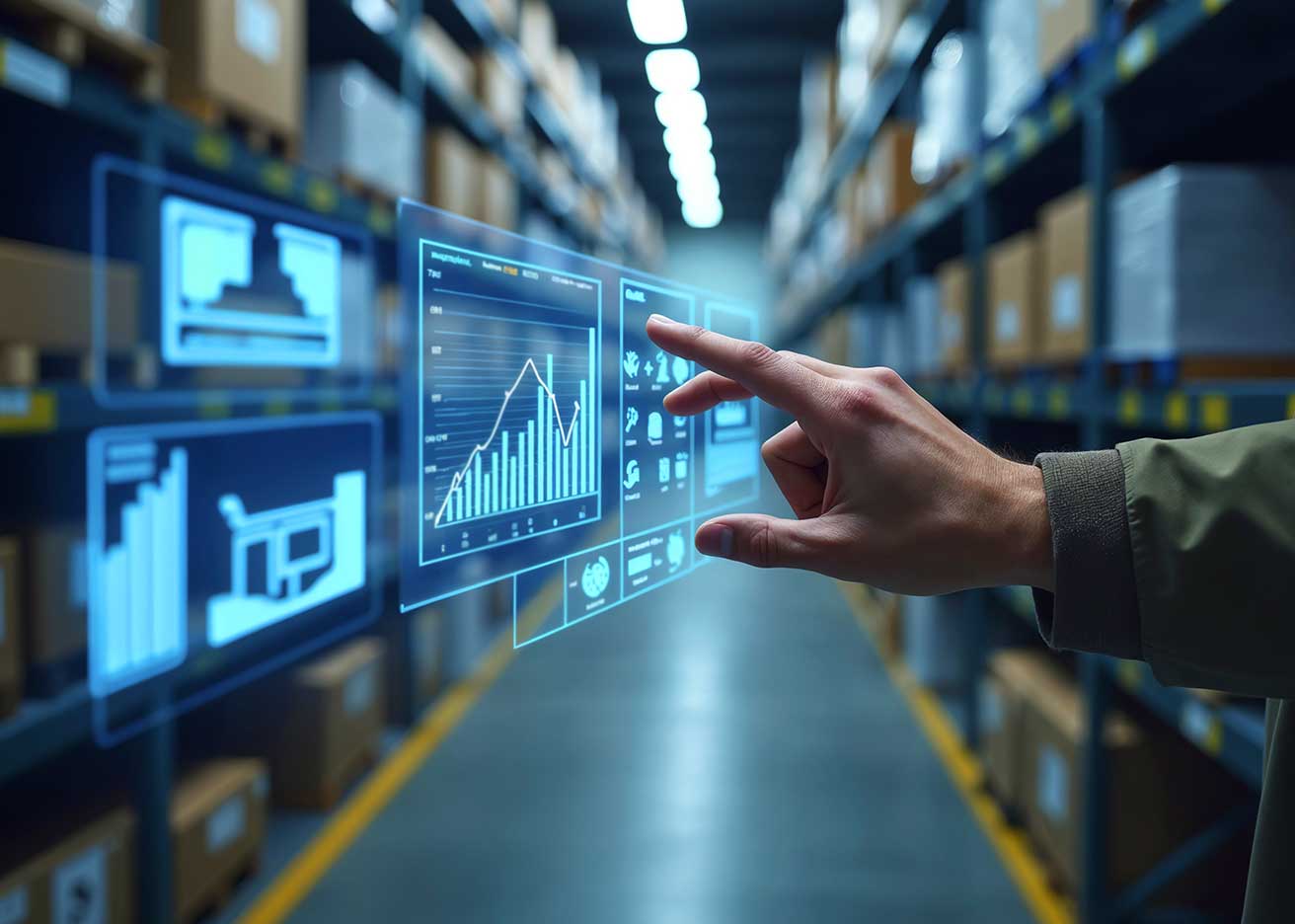
The Future of Supplier Performance Programs: Autonomous Scorecards & AI Agents
For decades, the procurement function was treated as a back-office utility—a necessary cost center defined by negotiation, contract filing, and the dreaded quarterly review. Procurement teams were locked in a reactive cycle, spending weeks manually aggregating data from fragmented ERP systems, normalizing disparate spreadsheets, and holding business reviews that focused heavily on what went wrong three months ago. In today’s hyper-connected, high-velocity global economy, this “rear-view mirror” approach is no longer just inefficient; it is a profound business liability. We are now entering the era of autonomous orchestration, where the future of Supplier Performance Management is defined not by how well we report on historical failures, but by how intelligently we predict and act upon future opportunities.
The Structural Collapse of Traditional Scorecards
To understand where we are going, we must first look at the fragility of current methods. Traditional supplier scorecards are, by their very nature, static snapshots. They are data corpses—they provide a look at a moment that has already passed, often missing the underlying “why” behind the metrics. They tell a procurement manager that a supplier missed their delivery window in March, but they rarely provide the causal context. Were they understaffed? Was there a regional port strike? Or did the procurement team trigger an emergency, last-minute order that scrambled the supplier’s production schedule?
The Inherent Bias in Manual Reporting
Manual scorecards are also notoriously prone to human bias and data lag. Because they are updated on a monthly or quarterly cadence, they fail to account for the dynamic, hour-by-hour reality of modern supply chains. Procurement professionals often spend 80% of their time just cleaning and preparing the data, leaving only 20% of their time to actually analyze the findings or collaborate with the supplier. This inversion of effort is the primary bottleneck to supply chain maturity.
The Dawn of Autonomous Intelligence
Autonomous scorecards, powered by the next generation of AI agents, transform these static documents into living, breathing digital ecosystems. These systems do not simply store data; they continuously ingest signals from global logistics feeds, real-time quality inspection sensors, and even external financial and geopolitical news feeds. By moving away from rigid, periodic reporting, companies can now pivot their Supplier Performance Management strategies from simple data aggregation to deep, contextual intelligence that lives in the present moment.
Real-Time Signal Ingestion
The transition to autonomous platforms means that the “data refresh” rate moves from days to milliseconds. When a weather event occurs in a key manufacturing hub, the autonomous scorecard adjusts the supplier’s risk profile instantly. It doesn’t wait for the next quarterly review to flag the issue; it proactively assesses the potential impact on your specific bill of materials and alerts the procurement team before the disruption hits the warehouse floor.
Agentic Procurement: The New Standard for 2026
The real shift occurring this year is the transition from “automation” to “agentic” workflows. An AI agent is fundamentally different from a standard workflow automation. A workflow automation follows a rigid, if-then path created by a developer. An AI agent, however, functions as a digital analyst that never sleeps, possessing the capability to perceive, reason, and act within defined parameters.
Predictive Risk Monitoring and Mitigation
Agents scan thousands of data points to identify potential disruptions before they manifest in a missed shipment. If a sub-tier supplier in a specific region is facing labor instability or raw material shortages, the agent correlates this with your historical supply patterns. It identifies that while your primary vendor is currently meeting KPIs, the underlying stability of their input chain is deteriorating. This allows the procurement team to secure backup capacity long before the primary vendor is forced to issue a delay notice.
Contextual and Dynamic Scoring
In a legacy system, a scorecard is a rigid grid. In an autonomous system, the scoring logic is dynamic. If your company is moving into a high-growth phase and launching a new product, the AI agent can autonomously reweight the scorecard to prioritize “responsiveness” and “speed to market” over “cost adherence.” The system understands the nuance of your current business strategy, not just the raw data metrics. It ensures that the supplier’s performance is always evaluated against what the business actually needs right now, not what it needed two years ago.
Automated Corrective Actions: Closing the Loop
The most transformative power of AI agents lies in their ability to bridge the gap between “identifying” a problem and “solving” it. When performance deviates from the agreed-upon threshold, agents don’t just send a generic automated email that gets ignored by the supplier. They initiate intelligent corrective actions.
Drafting and Executing Remediation
When a supplier’s quality score drops, the AI agent can analyze the historical root causes of similar defects. It then drafts a specific, highly relevant Corrective Action Request (CAR) that includes evidence, suggests clear remediation steps, and sets a deadline. Furthermore, the agent can cross-reference current market benchmarks to suggest renegotiation terms if the defect rate exceeds a certain percentage, providing the procurement officer with a data-backed script to use during the next negotiation.
Self-Healing Supply Chains
The ultimate goal of autonomous Supplier Performance Management is the “self-healing” supply chain. In scenarios where a supplier consistently fails to meet critical thresholds, the agent can initiate an automated search for pre-qualified, vetted alternative vendors. It can even generate an RFQ (Request for Quote) for the missing volume, effectively preparing a contingency plan for the human procurement team to approve with a single click.
The Human-AI Partnership: Elevating the Professional
There is a lingering, pervasive fear in many corporate boardrooms that AI agents will eventually replace the strategic procurement professional. In reality, the evidence suggests the opposite: AI is the catalyst for the professionalization of procurement. By automating the drudgery of data reconciliation, spreadsheet manipulation, and manual status updates, the technology clears the deck for the human to do what a machine cannot: build high-value, long-term strategic partnerships.
From Auditor to Partner
When the agent handles the minutiae of tracking, the procurement professional transitions from an “auditor” (who is constantly verifying data) to a “strategic partner” (who is constantly looking for growth). You move from spending your time asking, “Why is your data wrong?” to asking, “How can we co-invest in new technology to improve our shared yield?” This shift changes the entire power dynamic of the supplier relationship from one of adversarial inspection to one of collaborative innovation.
Implementing the Future Today
Transitioning to an autonomous program is not a technology switch; it is a cultural and operational transformation. Organizations must begin by ensuring their data architecture is clean. AI is only as good as the context it is fed; if your internal data sources are fragmented and conflicting, even the most advanced agent will struggle to provide accurate recommendations.
Phase One: Data Harmonization
Start by breaking down the silos between ERP, CRM, and logistics software. Ensure there is a single source of truth for supplier data. Without a unified data model, you cannot deploy intelligent agents, as they will have no foundation upon which to build their reasoning.
Phase Two: Incremental Agent Deployment
Do not attempt to automate everything at once. Begin with low-risk, high-frequency tasks—such as automated performance tracking and basic vendor onboarding. Once the agents demonstrate consistent logic and reliability, expand their authority into more complex areas like predictive risk analysis and automated negotiation support.
Conclusion: The Path to Resilience
The future of procurement is not about having more data—it is about having better, more autonomous systems that know how to process that data into actionable outcomes. The businesses that survive the volatility of the coming years will be the ones that shift their focus from static compliance to dynamic resilience. By embracing autonomous scorecards and AI-driven agents, procurement leaders can finally stop managing the past and start engineering the future of their supply chains. The promise of intelligent performance management is within reach, provided we are willing to trust the technology to handle the details so that we can focus on the strategy.
