

Stronger & Better Supplier Relationships Through Two-Sided Reviews
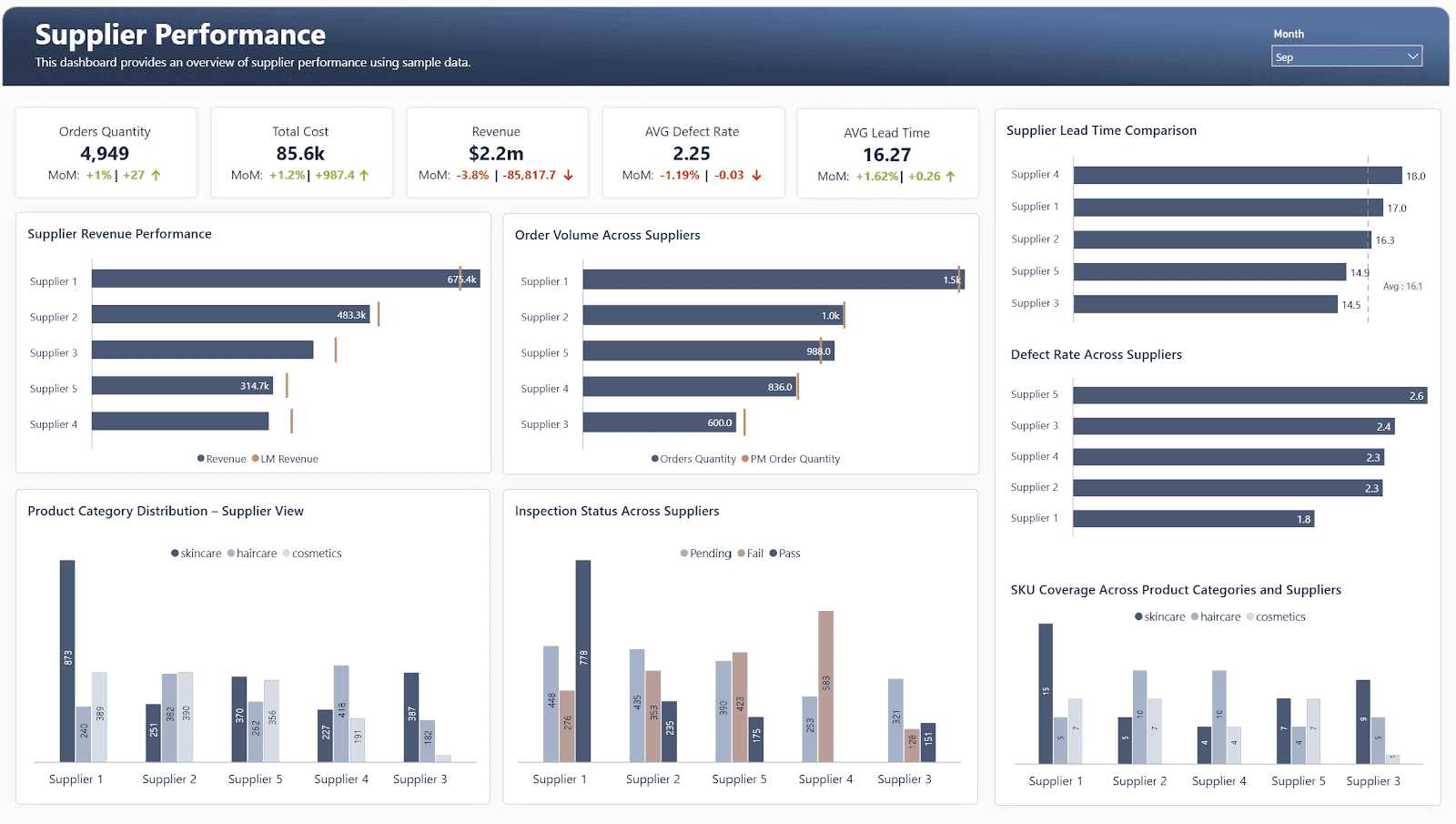 Supplier performance programs have matured significantly over the last decade, yet many organizations still rely on a single input: the buyer’s perspective.
While buyer feedback is essential, it represents only half the story.
Suppliers have their own internal view of performance—what they believe is working, where they are improving, and how they think they are delivering value.
Hive360 bridges these two worlds by allowing suppliers to review themselves using the same performance metrics buyers use. With subtle wording adjustments tailored to the reviewer type, this approach creates transparency, alignment, and more productive improvement conversations.
This isn’t just a feature.
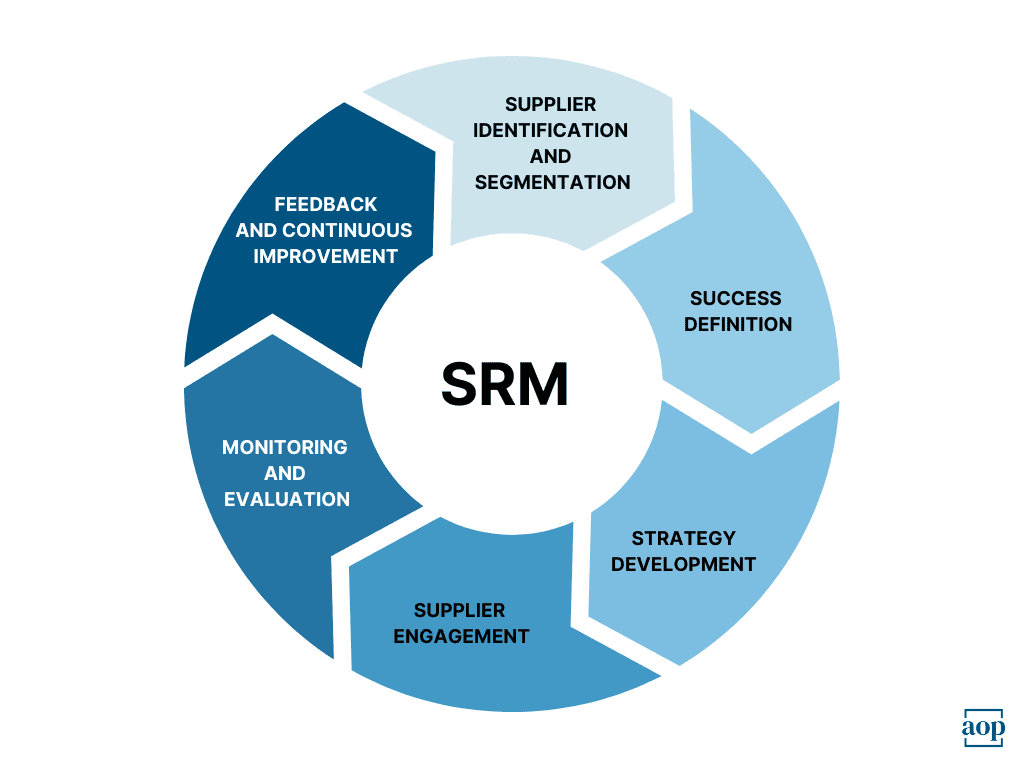
It’s a best practice in modern Supplier Relationship Management (SRM).
Why Dual-Perspective Reviews Matter
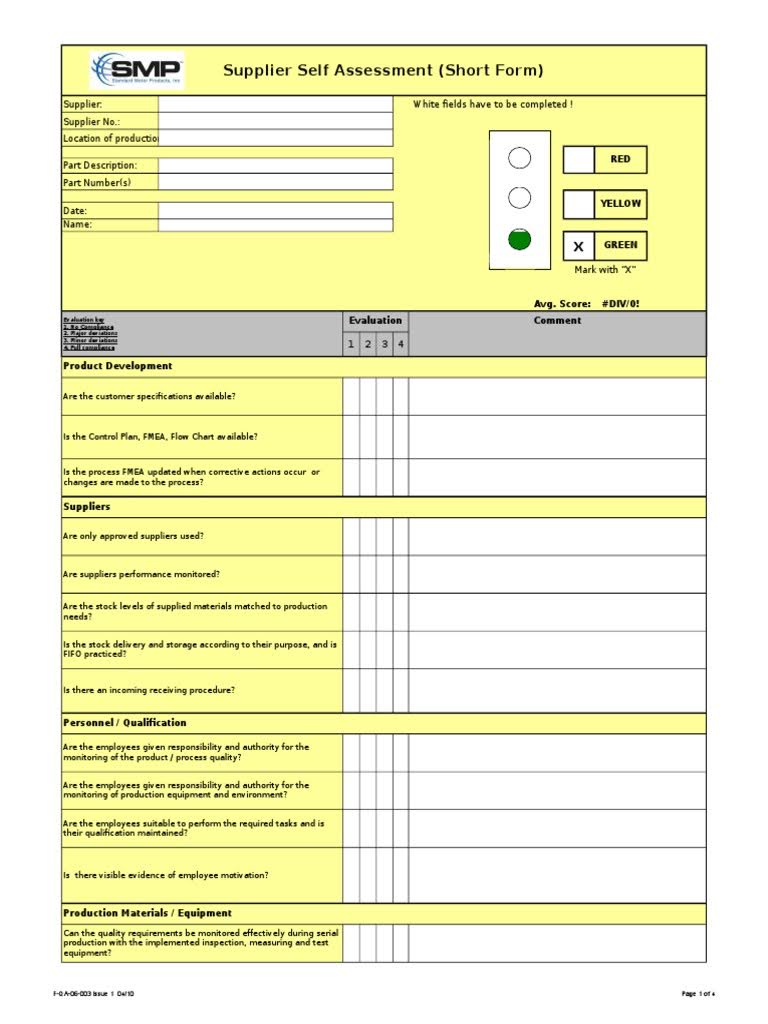
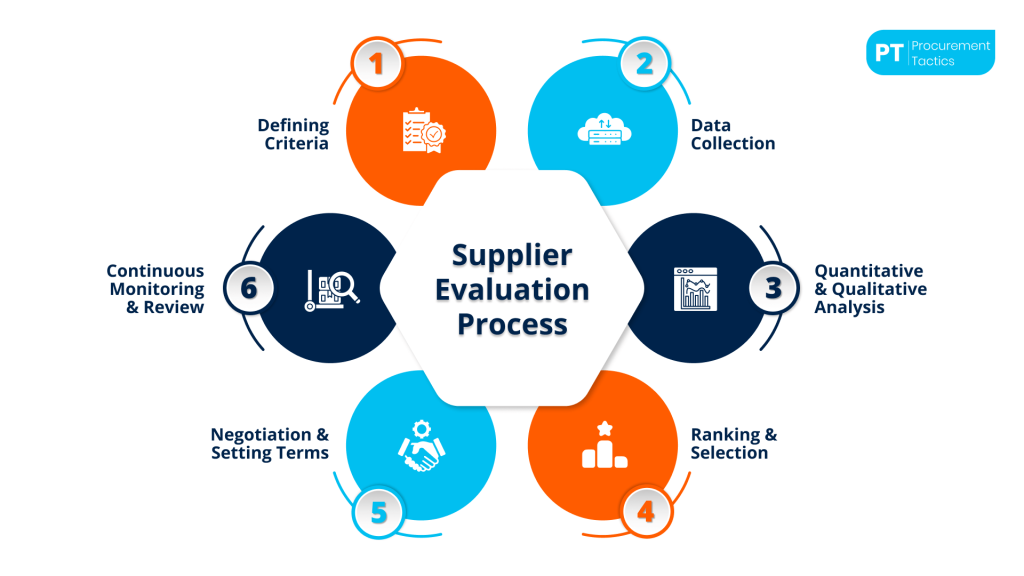
 In traditional Supplier Performance Management (SPM) programs, feedback typically flows in one direction:
Buyer → Supplier
Buyers evaluate performance, suppliers receive scores, and the cycle repeats.
The problem?
Suppliers often believe they are performing better than buyers think—not because they are ignoring issues, but because they lack visibility into:
- Internal frustrations on the buyer side
- Performance expectations that were never clearly communicated
- Evolving buyer priorities
- Experience gaps across different stakeholders
Without a way to compare perceptions, misalignment grows quietly.
Hive360 solves this by capturing supplier self-perception on the same KPIs buyers evaluate—using carefully adjusted wording that respects the reviewer’s context while preserving comparability.
For example:
- Buyer wording: “How is it working with the customer service team at Supplier Name?”
- Supplier self-review wording: “How do you think your customer service team is doing?”
These subtle adjustments make questions feel natural to each reviewer while maintaining metric equivalence.
The result is a true 360° performance view—not buyer-only grading.
The Power of Perception-Gap Visualization
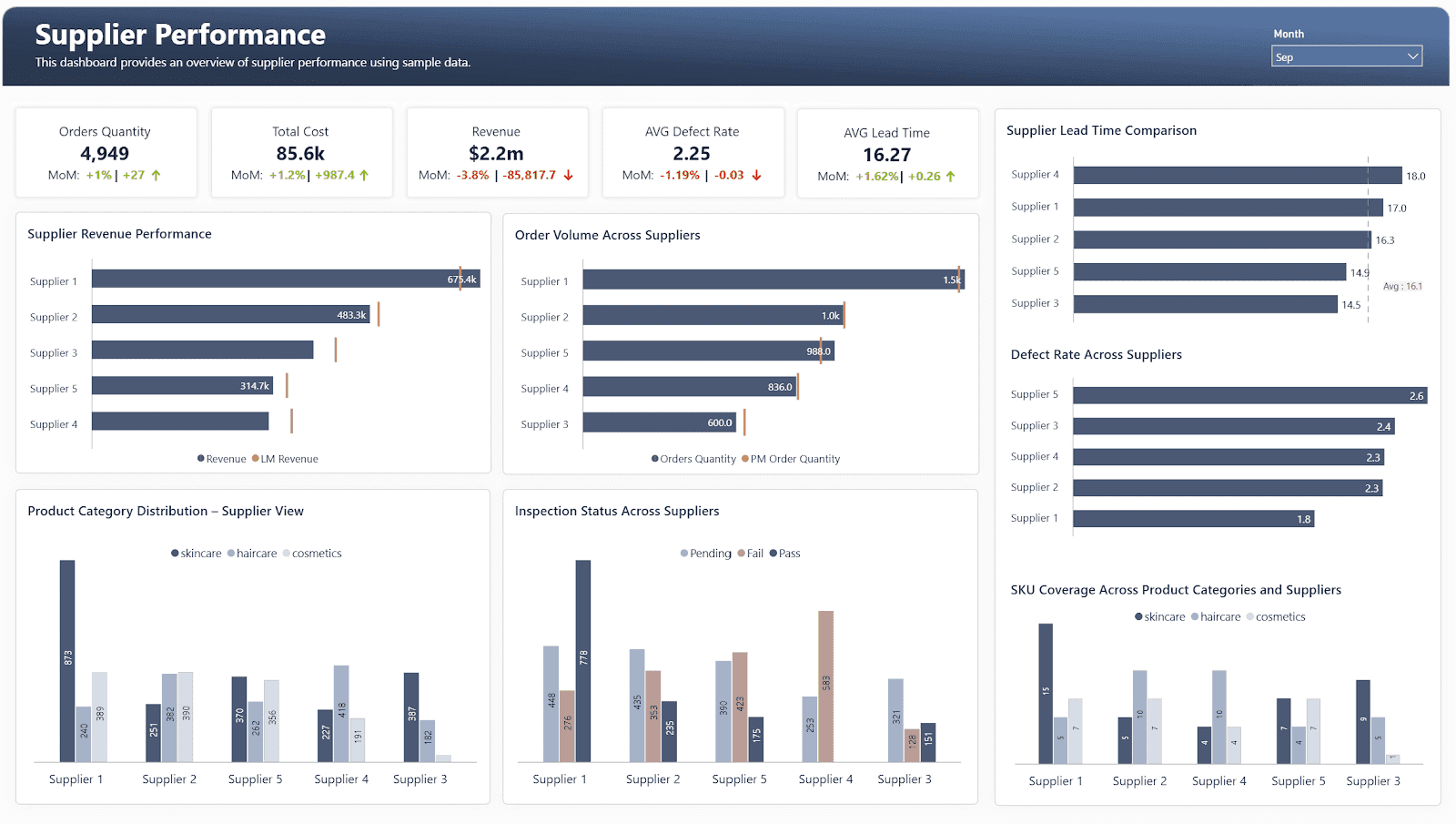
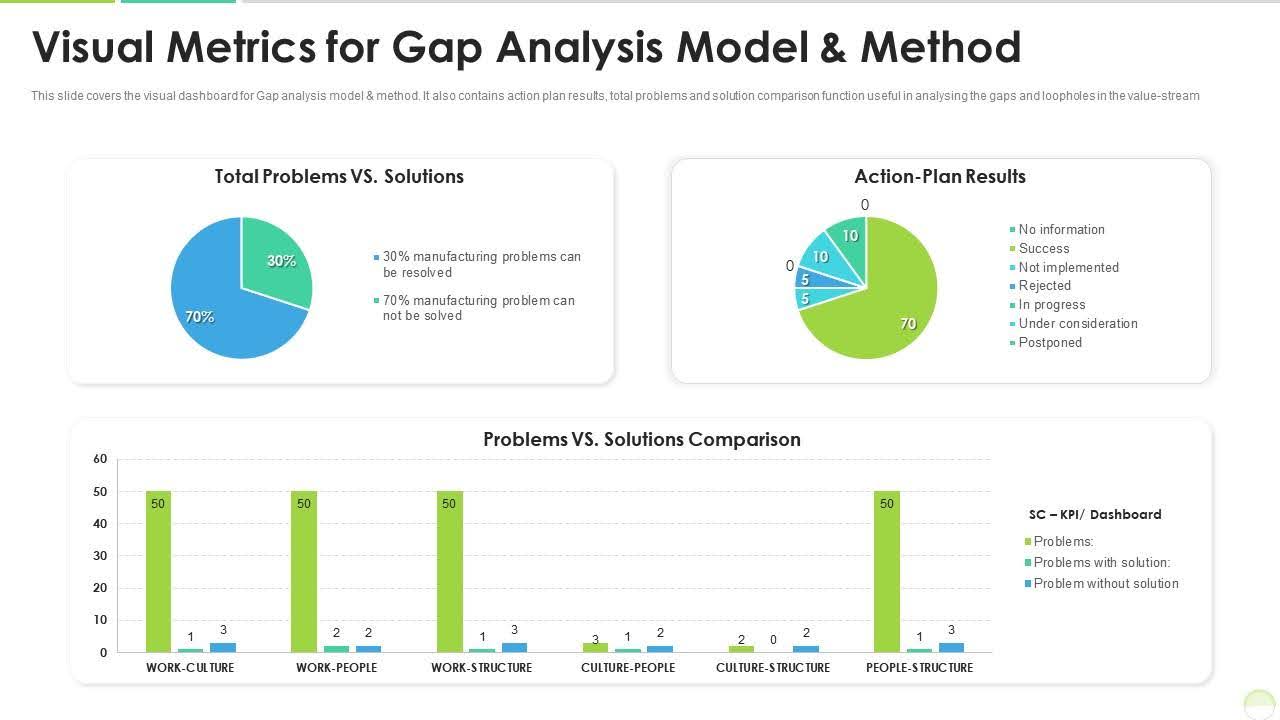
 Once both perspectives are captured, the real value emerges through visualization.
Early Detection of Misalignment
A supplier may believe their delivery, communication, or quality performance is excellent, while buyers experience delays, unclear handoffs, or inconsistencies.
Seeing a clear gap—for example, a high supplier self-score alongside a significantly lower buyer score—immediately signals where attention is needed.
Objective, Data-Driven Conversations
Instead of emotionally charged discussions, teams can now say:
- “Here’s where you believe performance is strong.”
- “Here’s where we see challenges.”
- “Let’s explore why these views differ.”
This reframes conversations from confrontation to collaboration.
Tracking Supplier Maturity and Self-Awareness
Suppliers whose self-ratings consistently exceed buyer ratings often reveal blind spots.
Suppliers whose ratings closely align with buyer feedback typically demonstrate stronger governance, accountability, and partnership maturity.
This insight reflects not just performance—but relationship health.
Smarter Prioritization of Development Efforts
Perception-gap visuals help identify:
- Minor misalignments that need light correction
- Major gaps requiring immediate action
- Areas where both sides agree performance is strong
- Situations where misunderstanding—not failure—is the root cause
This enables precise, targeted improvement strategies.
Why This Methodology Builds Stronger Supplier Relationships
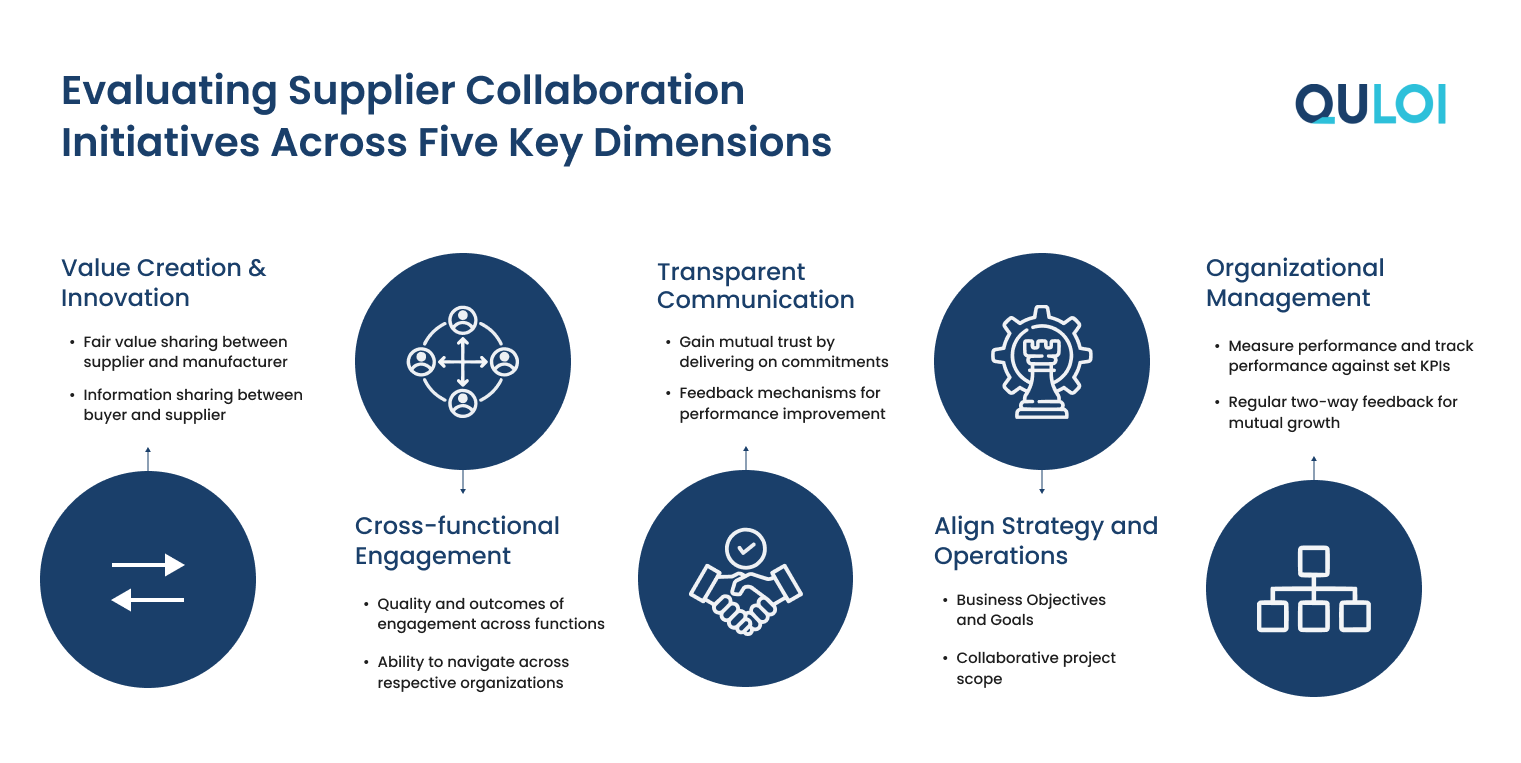
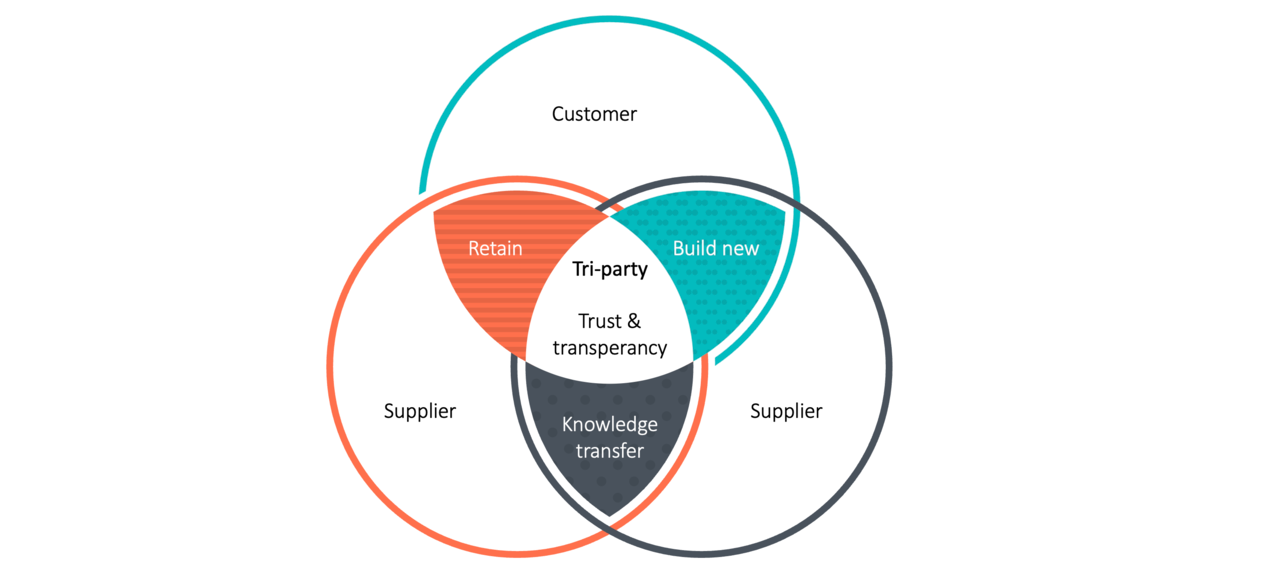
Healthy supplier relationships are built on transparency, shared expectations, and ongoing dialogue.
Suppliers Feel Heard
Most suppliers rarely get structured opportunities to assess themselves.
Self-reviews give suppliers an equal voice, fostering engagement, accountability, psychological safety, and shared ownership of outcomes.
Buyers Gain Context Beyond the Metrics
Supplier self-assessments often reveal:
- Behind-the-scenes investments
- Challenges buyers were unaware of
- Process improvements underway
- How suppliers genuinely perceive their performance
This context leads to fairer, more informed evaluations.
Reduced Friction and Increased Trust
When perception gaps are surfaced transparently:
- Defensiveness decreases
- Openness increases
- Conversations focus on root causes
- Trust grows through shared understanding
The relationship shifts from oversight to partnership.
Why Dual-Perspective Reviews Are Becoming an SRM Best Practice
Organizations are increasingly adopting this approach because it:
- Delivers more accurate performance assessments
- Improves engagement on both sides
- Supports continuous improvement
- Reduces disputes and miscommunication
- Strengthens long-term partnerships
- Enables data-driven QBRs and strategic planning
In modern procurement, the goal isn’t just to evaluate suppliers—it’s to elevate them.
How to Use Dual-Perspective Reviews Effectively
Keep Wording Consistent
Make small phrasing adjustments while preserving metric equivalence.
Visualize Gaps, Not Just Scores
Misalignment visuals drive deeper insight than ratings alone.
Use Reviews as Conversation Inputs
Bring insights into QBRs, category reviews, and planning sessions.
Frame Gaps as Opportunities
Position differences as learning moments—not failures.
Track Alignment Over Time
The goal is steady convergence, not instant agreement.
Conclusion: Seeing Both Sides Creates Stronger Supplier Partnerships
SPM programs succeed when they provide a complete and honest picture of performance.
By combining buyer reviews with supplier self-assessments—and clearly visualizing perception gaps—organizations gain deeper insight into how suppliers are truly performing.
This approach drives:
- Better decision-making
- Healthier relationships
- Greater transparency
- Stronger long-term value creation
In a world where supplier relationships underpin resilience, innovation, and competitiveness, seeing both sides of the story isn’t just smart.
It’s essential.
